
By: Smiljana Dodić, museum аdvisor, archaeologist
During the past decade, the publishing activity of the Regional Museum in Jagodina has notably advanced in both quality and scope. Thanks to the continuous support of the Ministry of Culture of the Republic of Serbia, beginning in 2017, the curators have been given the opportunity to present their scholarly and research work, as well as the results of their investigations, to both the professional community and the wider public through several monographs, collection catalogues, and the Guide through the Regional Museum in Jagodina, which—together with the electronic presentation—has made this heritage institution visible even internationally. We owe the recognizable and well-received visual identity of these publications to the skill and dedication of the museum designer, Đorđe Filipović.
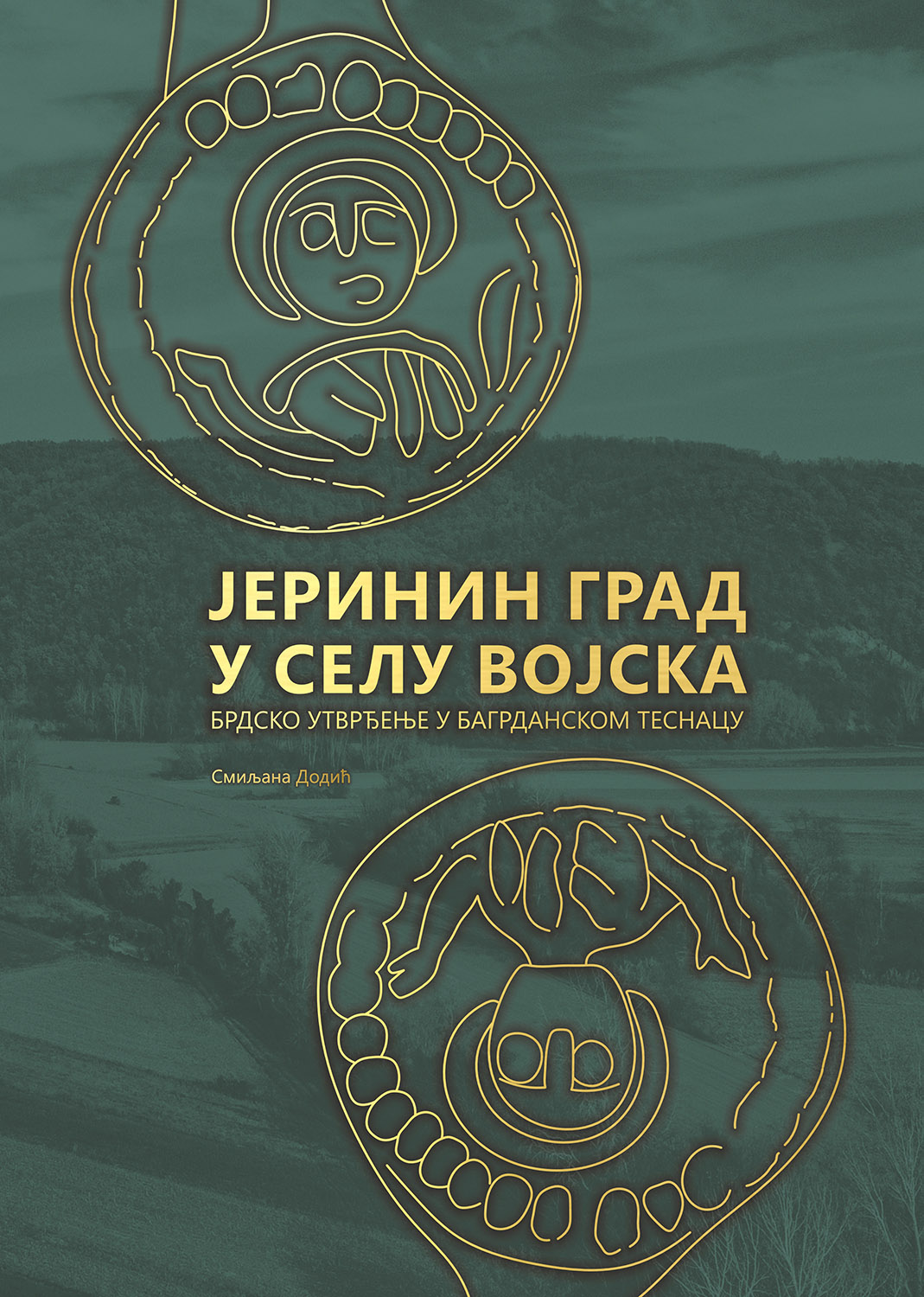
Creating in such an environment is not difficult—on the contrary, it is highly motivating; yet it is not easy either, given the high standards that have been set. It is within this environment that the monograph “Jerinin Grad in Vojska Village – a Hillfort in the Bagrdan Gorge” was created, dedicated to the first archaeologically investigated site within the municipality of Svilajnac. Until now, the Museum had not presented the results of research from individual archaeological sites in this manner, and the previous archaeological monograph—“The Iron Age in the Great Morava Basin”, the doctoral dissertation of Milorad Stojić—was published back in 1986.
The introductory section of the publication provides a geographical framework and an overview of the history of research on medieval sites in the Central Morava region, as the investigations originally began as a contribution to the archaeological map of Early Byzantine and Early Medieval sites of Central Serbia. This is followed by a presentation of the results of five excavation campaigns conducted between 2012 and 2018, organized according to the chronological periods attested at the site—Prehistoric, Late Antiquity, Early Byzantine, and Early Medieval. In addition to archaeological units and architectural remains, the book offers a detailed overview of movable finds, classified according to their function and the materials from which they were made, as well as an extensive catalogue comprising 102 entries.
Since the best-documented period of this hillfort belongs to the 4th–6th centuries, the volume also includes a brief review of several nearby fortifications from the same era in the Central Morava region: “Jerinin Grad” in Staro Selo, Batočina and in Dragoševac, “Mali Grad” in Dragoševac, “Momčilov Grad” in Potočac, and “Grad” in Prevešt.
A special contribution to the monograph is the comprehensive supplement on Animal remains from the archaeological site of Jerinin Grad, authored by Nevena Cvetković, senior curator–paleontologist of the Homeland Museum, which provides a fuller and more nuanced understanding of the function of this fortification over the course of two millennia.
The author of the publication expresses particular gratitude to the reviewer, Prof. dr Mihailo Milinković.
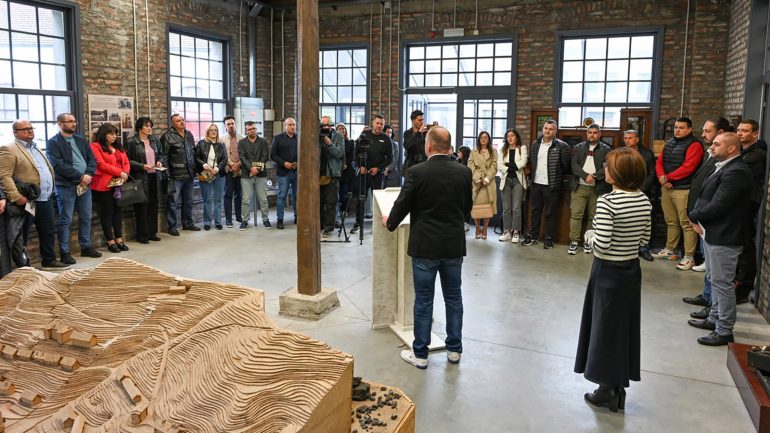
The audience will have the opportunity to learn more about the book, its creation, challenges, and future research endeavors at the upcoming promotion event in its parent institution, the Regional Museum in Jagodina.