By: Sonja Perić, senior curator
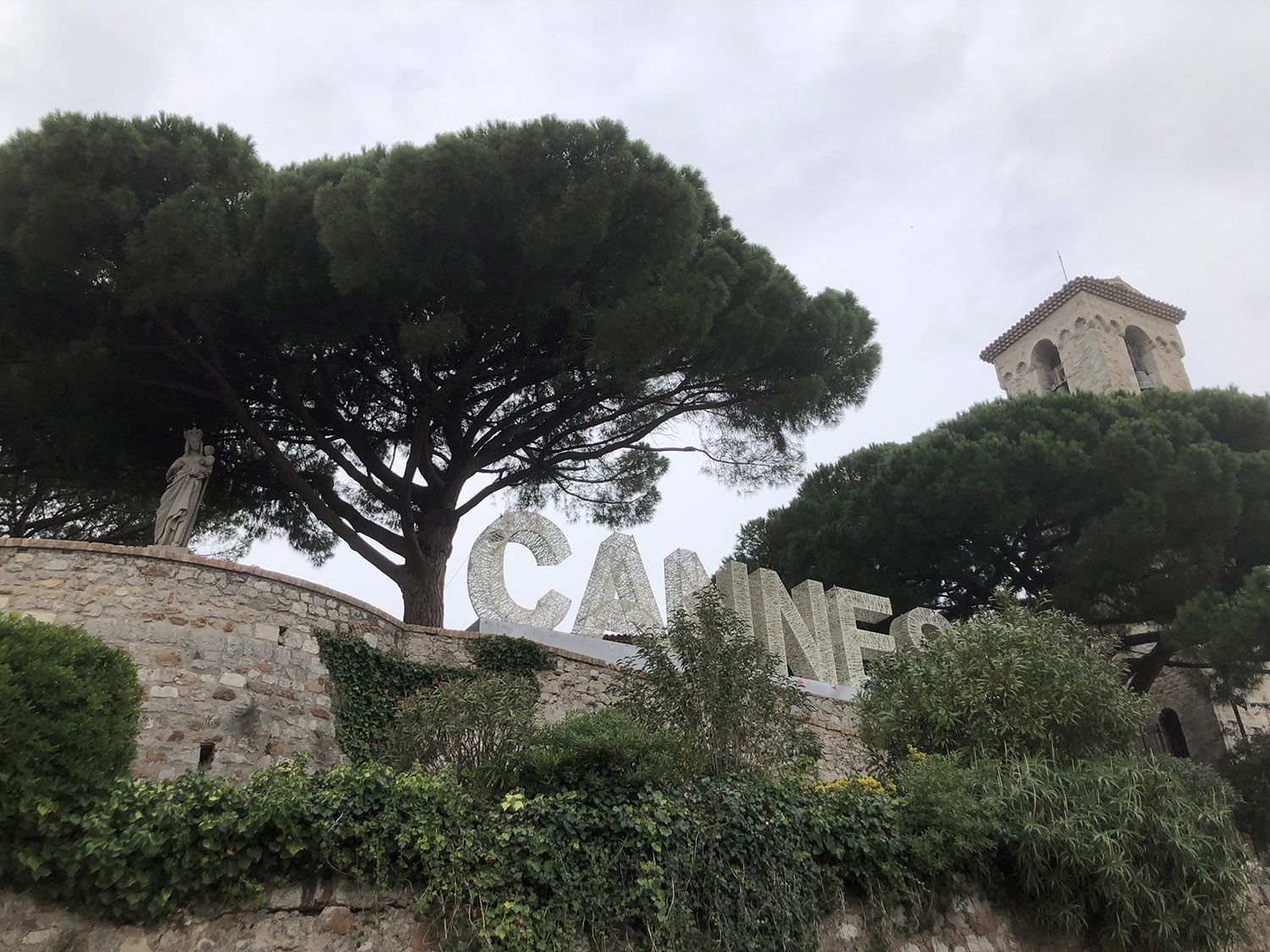
“A journey 25,000 years into the heart of myths and representations of femininity – the exhibition ‘Demons and Goddesses: From Life to Death’ invites reflection on the deified image of woman, from prehistory to the present day, from Europe to Asia, including Africa. Ishtar/Inanna, Isis, Venus, Kali, and Lilith have always inspired artists and given rise to numerous interpretations. Fertility, motherhood, sexuality, creation, and destruction are all themes explored in the exhibition, demonstrating the multilayered nature of female power,” are the words with which the exhibition curator Marija Matejčić invites residents and visitors of the French Riviera to visit the Musée des explorations du monde in Cannes and enjoy the exhibition “Démones et déesses: de la vie à la mort”.
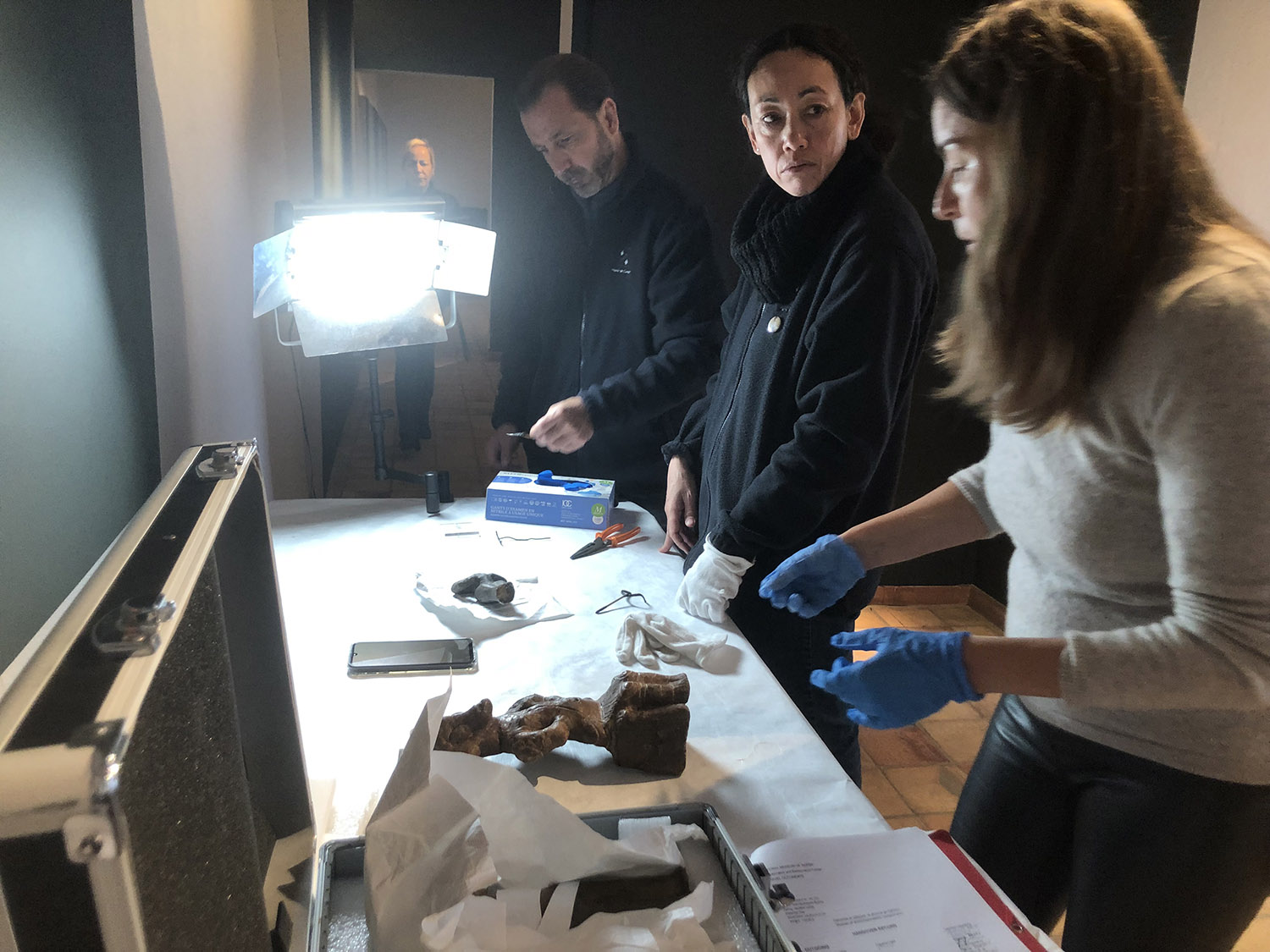
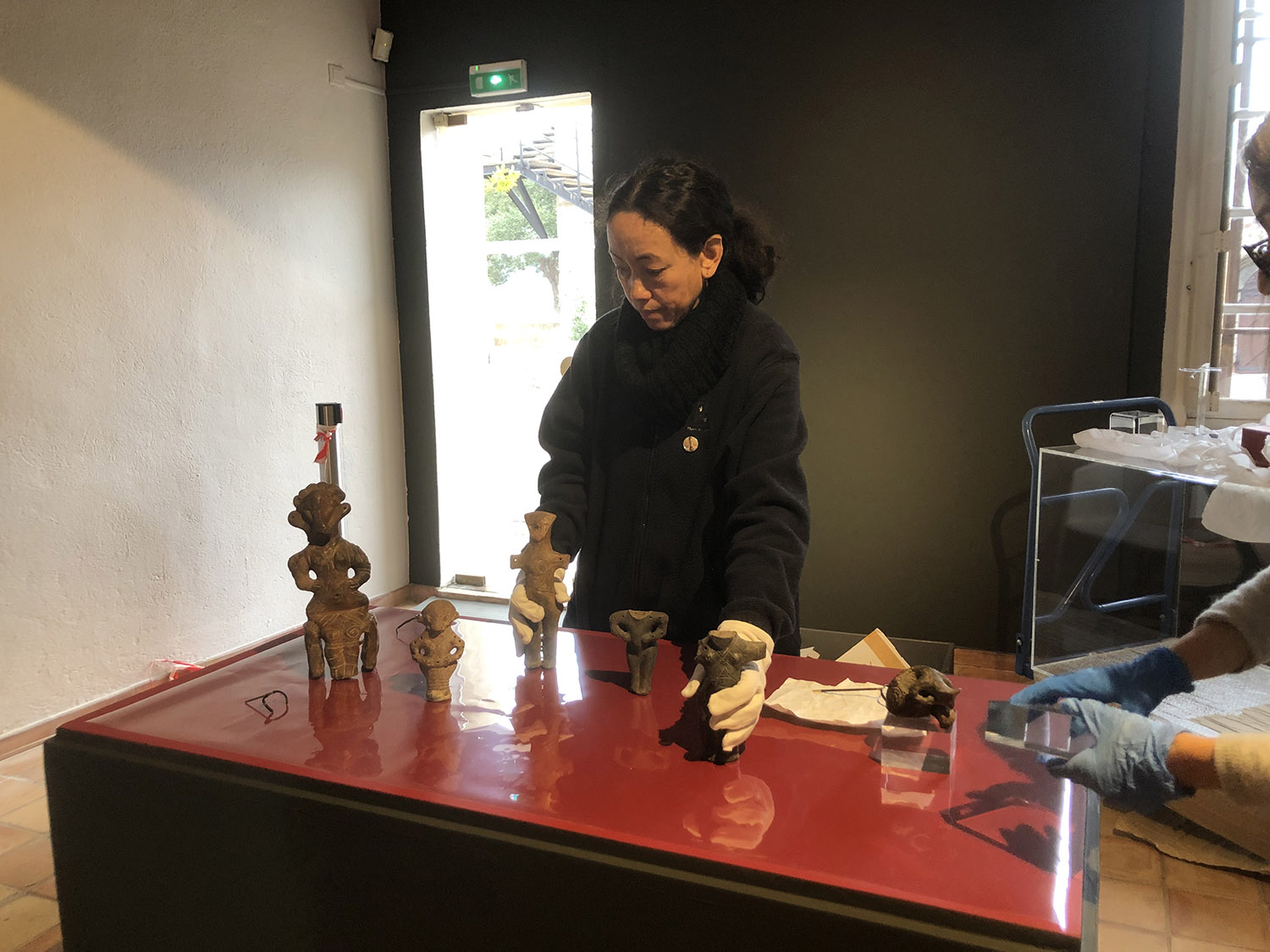
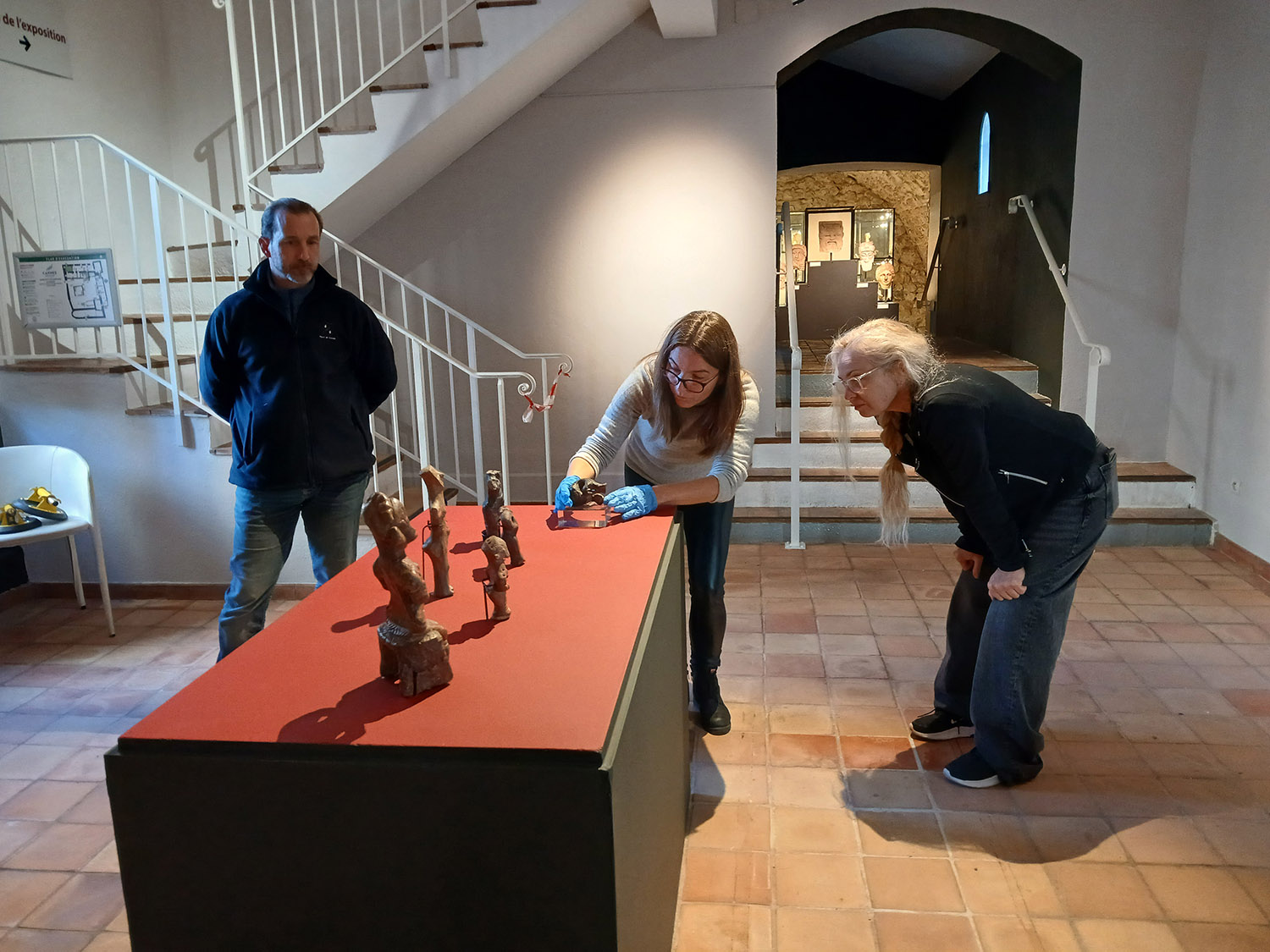
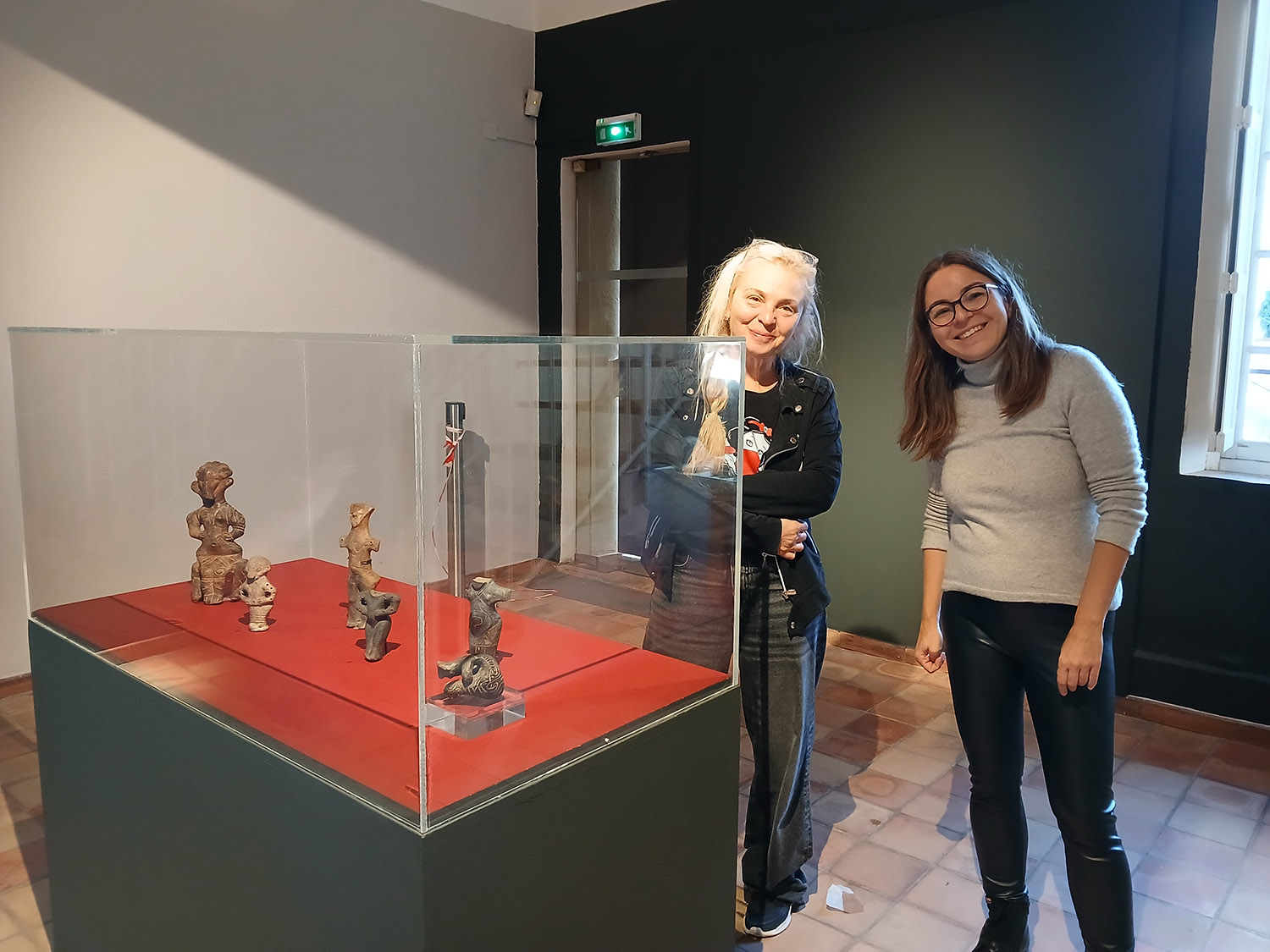
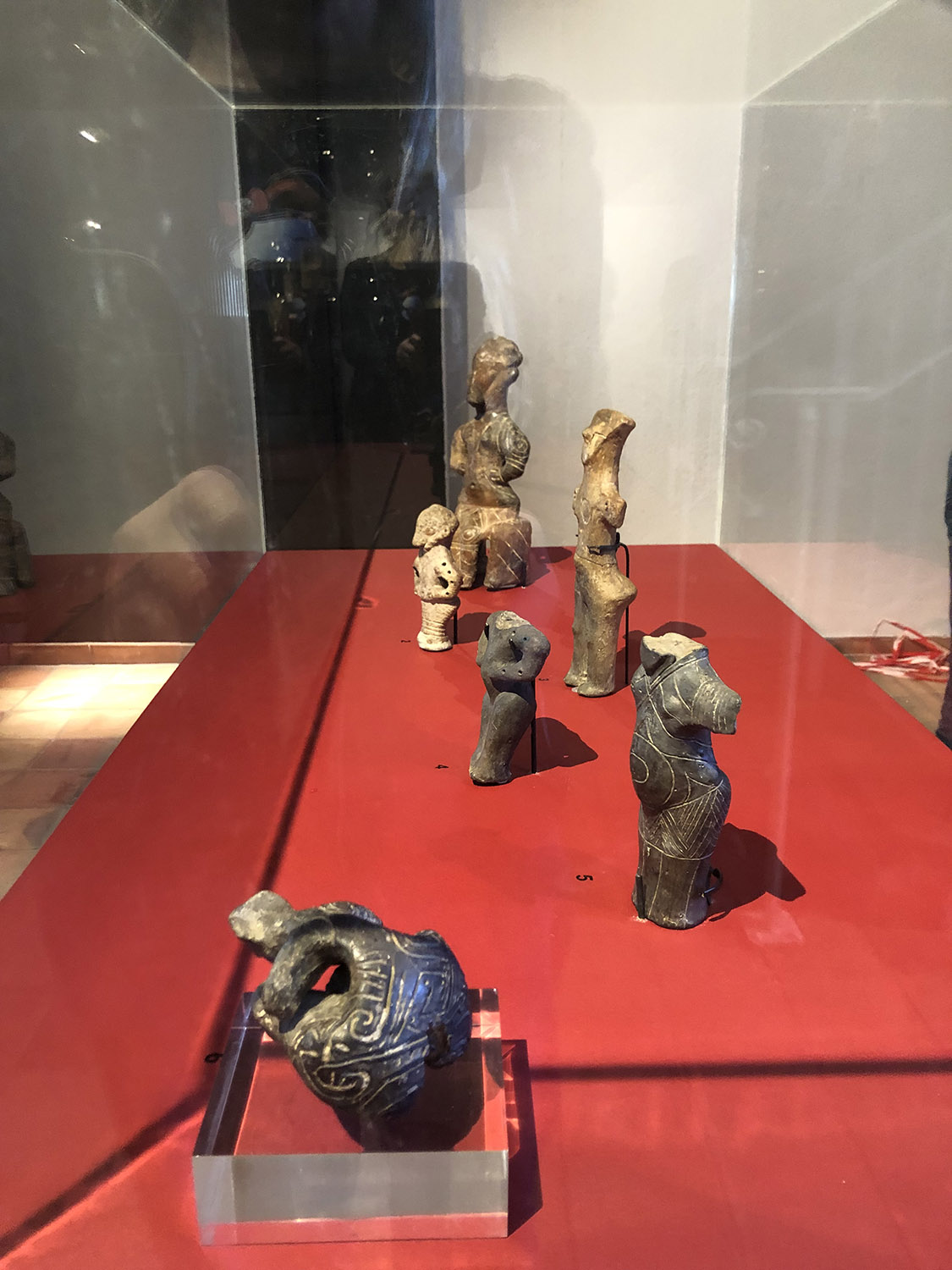
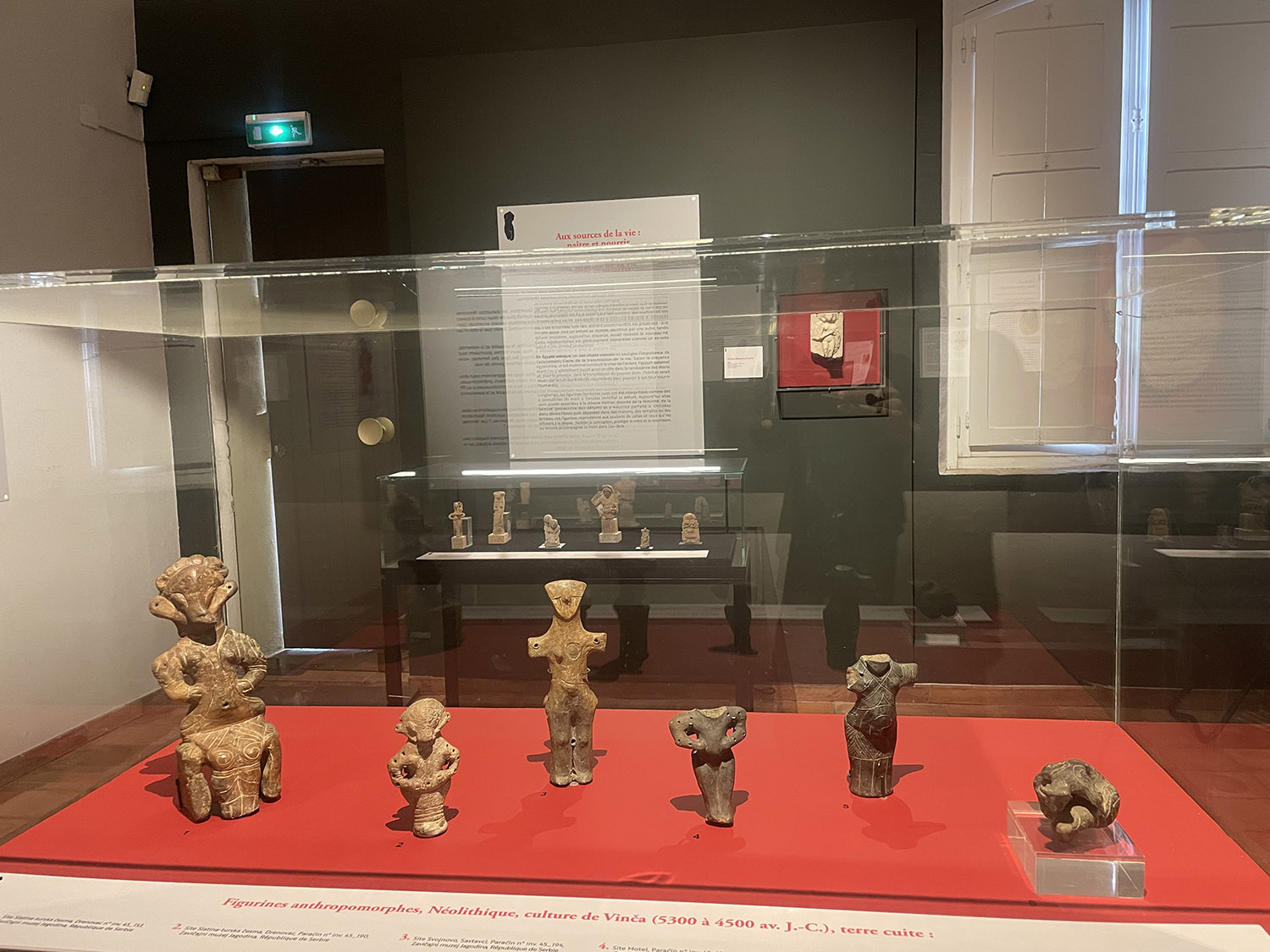
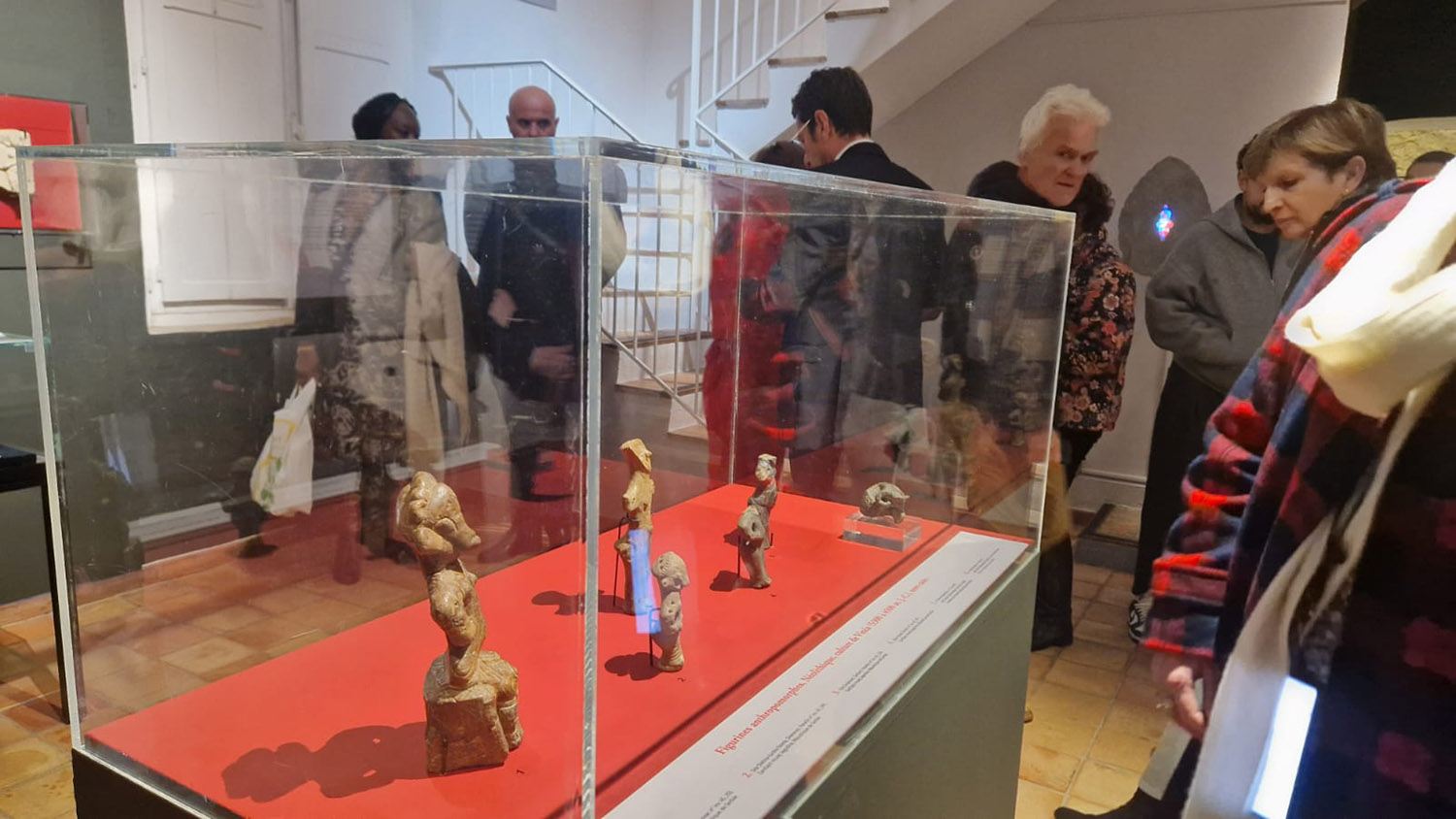
Among more than 70 exhibits from around the world – figurines, sculptures, works of art and photographs – a prominent and significant place is occupied by six anthropomorphic figurines from the Vinča culture of the Balkans: four from the Regional Museum of Jagodina and two from the National Museum in Smederevska Palanka. An attempt at a comprehensive presentation of woman through major civilizations and epochs is conveyed through seven thematic sections: Prehistory and Antiquity: the emergence of female figurines; The Secret Museum: unveiling the female principle; The Ancient Near East: Ishtar, Inanna, and hybrid forces; Egypt: Isis, the protective mother and universal figure; Aphrodite/Venus: the power of desire; The 19th century: fascination, Orientalism, and demonic figures; The 20th and 21st centuries: feminism, spirituality, and reinterpretation. Among the ancient and the modern, the mystical and the exposed, the sacred and the profane, the “Ladies from Morava”, pregnant women and women in childbirth from the Late Neolithic of the Morava region, lead this story about woman.
The Regional Museum Jagodina preserves some of the most beautiful examples of Neolithic figurative sculpture, which deserve attention and the opportunity to be seen by the whole world. These most valuable works of Neolithic creators—divine female figurines symbolizing fertility, of both nature and earth as well as of the individual, the mother, symbolizing freedom—were created in an almost ideal society, one in which social stratification had not yet developed, where humans were in contact with nature, feared it and respected it, striving to live in harmony with it, to follow and honor its laws, to take in the best possible way what nature provides without disturbing the balance and order of the environment, and even of the cosmos.
In settlements where living conditions were almost identical for everyone, where life within a family and a single household differed only by the specialization practiced—whether stone toolmaking (chipped or polished), crafting objects from bone and antler, or producing pottery and ceramic vessels—works related to cult and religion also emerged, which can already be classified as art. While maintaining functionality, great attention was paid to aesthetic experience, as evidenced by utilitarian objects and above all by figurаtive skulpture. The far greater number of female figurines compared to male ones, some with pronounced and others with less emphasized fertility attributes, as well as the careful workmanship and highlighting of details, place the female figure at the center of the cult of the Late Neolithic people, elevating her to the level of a deity.
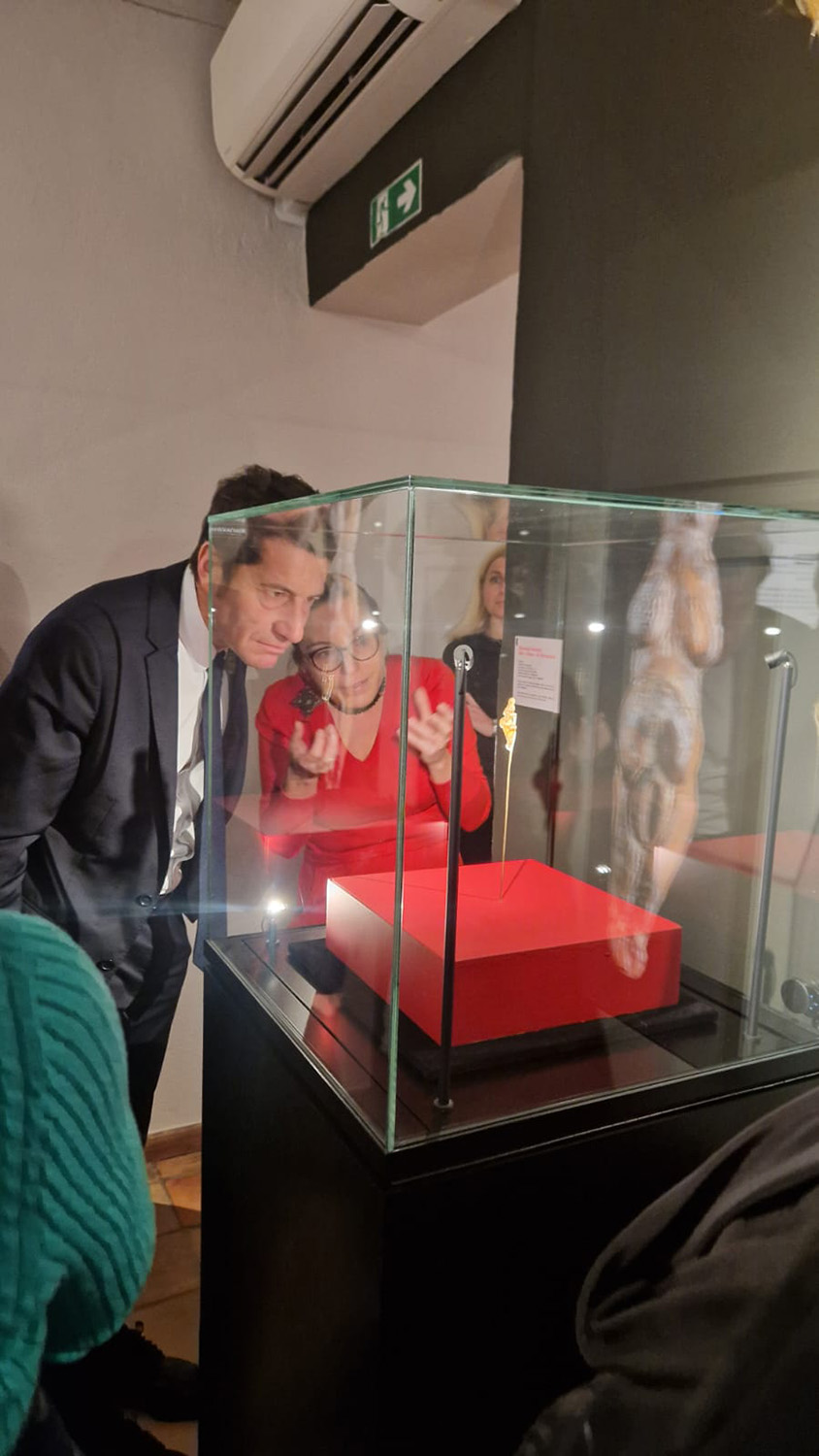
The opening of the exhibition “Demons and Goddesses: From Life to Death”, in the presence of David Lisnard, Mayor of Cannes, took place on December 19, 2025, and the public will be able to see exhibits from more than 20 world museums, most of which are French (Louvre, Orsay, National Library of France, Rodin Museum, National Archaeological Museum and Quai Branly – Jacques Chirac Museum) until May 24, 2026, after which the “Ladies from Morava” will return to their homeland.