By: Smiljana Dodić, museum аdvisor, archaeologist
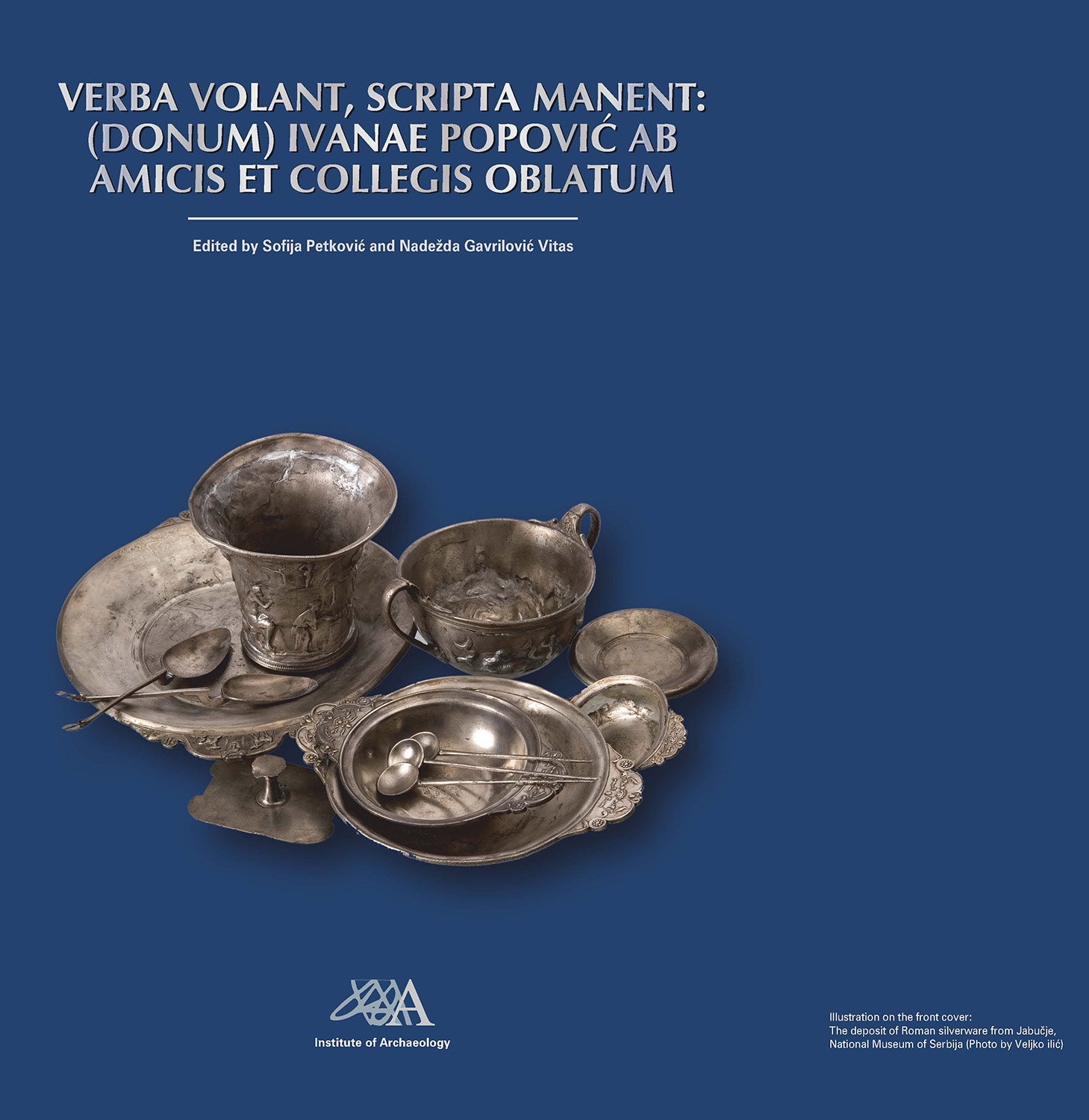
The Archaeological Institute in Belgrade has recently published a special volume honoring Dr. Ivana Popović Senior Research Associate of the Institute, entitled VERBA VOLANT, SCRIPTA MANENT: (DONUM) IVANAE POPOVIC AB AMICIS ET COLLEGIS OBLATUM. Among the contributions in this volume is the paper by Professor Dr. Mihailo Milinković, ARMREIFE MIT ENDSCHEIBEN AUS DEM OSTRÖMISCHEN ILLYRICUM, TYP “JELICA–VOJSKA”, focused on bracelets with flattened ends from Eastern Roman Illyricum.
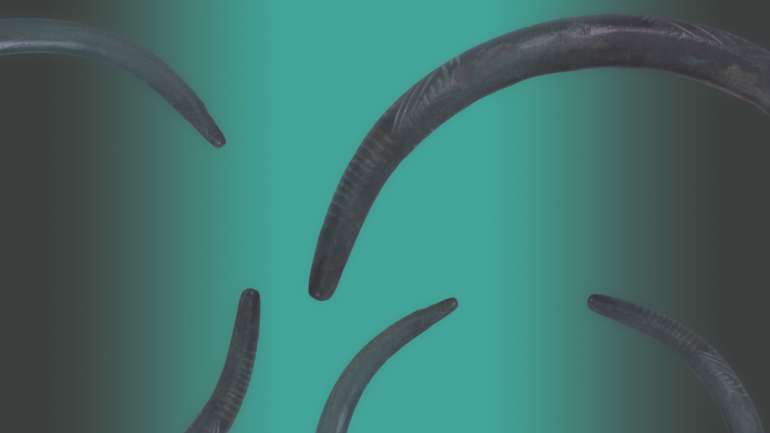
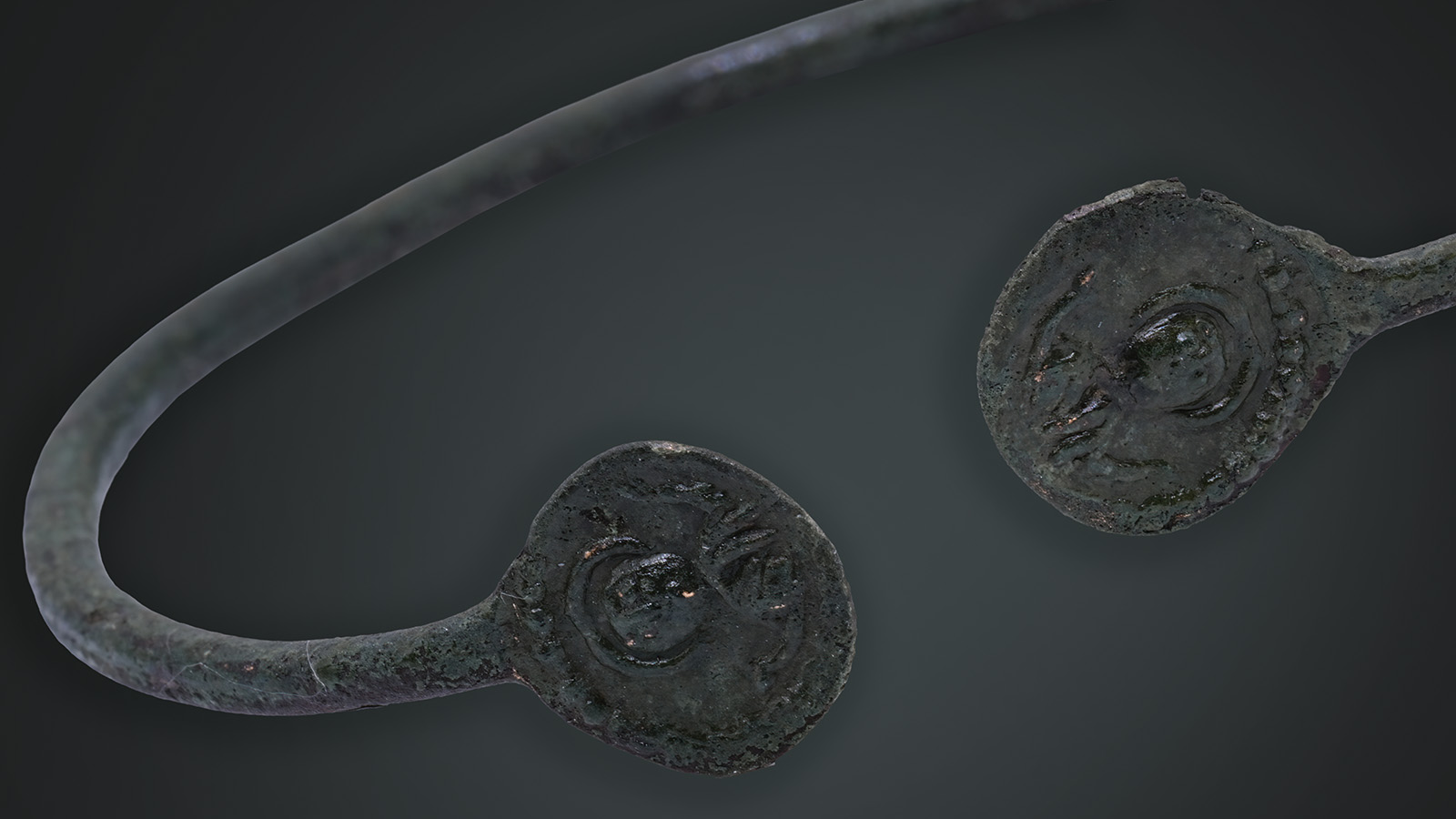
Professor Milinković, who also reviewed the monograph “Jerinin Grad in Vojska Village – A Hillfort in the Bagrdan Gorge”, analyzes thirteen bronze bracelets with open, flattened ends. These artifacts are decorated either with linear ornamentation—such as concentric circles and cross motifs—or with figurative depictions of busts in the orans posture, executed in shallow relief.
Bracelets of this type, including accidental finds as well as settlement and grave discoveries, originate from several Early Byzantine fortifications, including Karataš, Mokranjske Stene, Gamzigrad, Caričin Grad, Jelica – Gradina, Momčilov Grad – Juhor, Jerinino Brdo near Batočina, and Jerinin Grad in Vojska. The only currently known site outside Serbia where this type of artifact has been discovered is Đuteza near Podgorica, Montenegro.
Due to their distinctive characteristics, bracelets with flattened terminals have now been identified as a separate type of Early Byzantine jewelry dating from the 6th to the early 7th century. Since the archaeological contexts of these finds are well documented at the sites of Gradina on Jelica and Jerinin Grad in the village of Vojska, and because both known variants of this jewelry type are represented there, the newly distinguished type has officially been named “Jelica–Vojska.”
The research conducted by Professor Mihailo Milinković, a distinguished authority in the field of Early Byzantine archaeology in the Balkans, has once again drawn the attention of the international academic and professional community to the significance of the archaeological investigations carried out at the Vojska site by the Regional Museum Jagodina 2012 – 2018. On this occasion, the exceptional bracelet featuring a human figure in the orans posture has also been highlighted and brought to prominence, showcasing its importance among Early Byzantine artifacts.