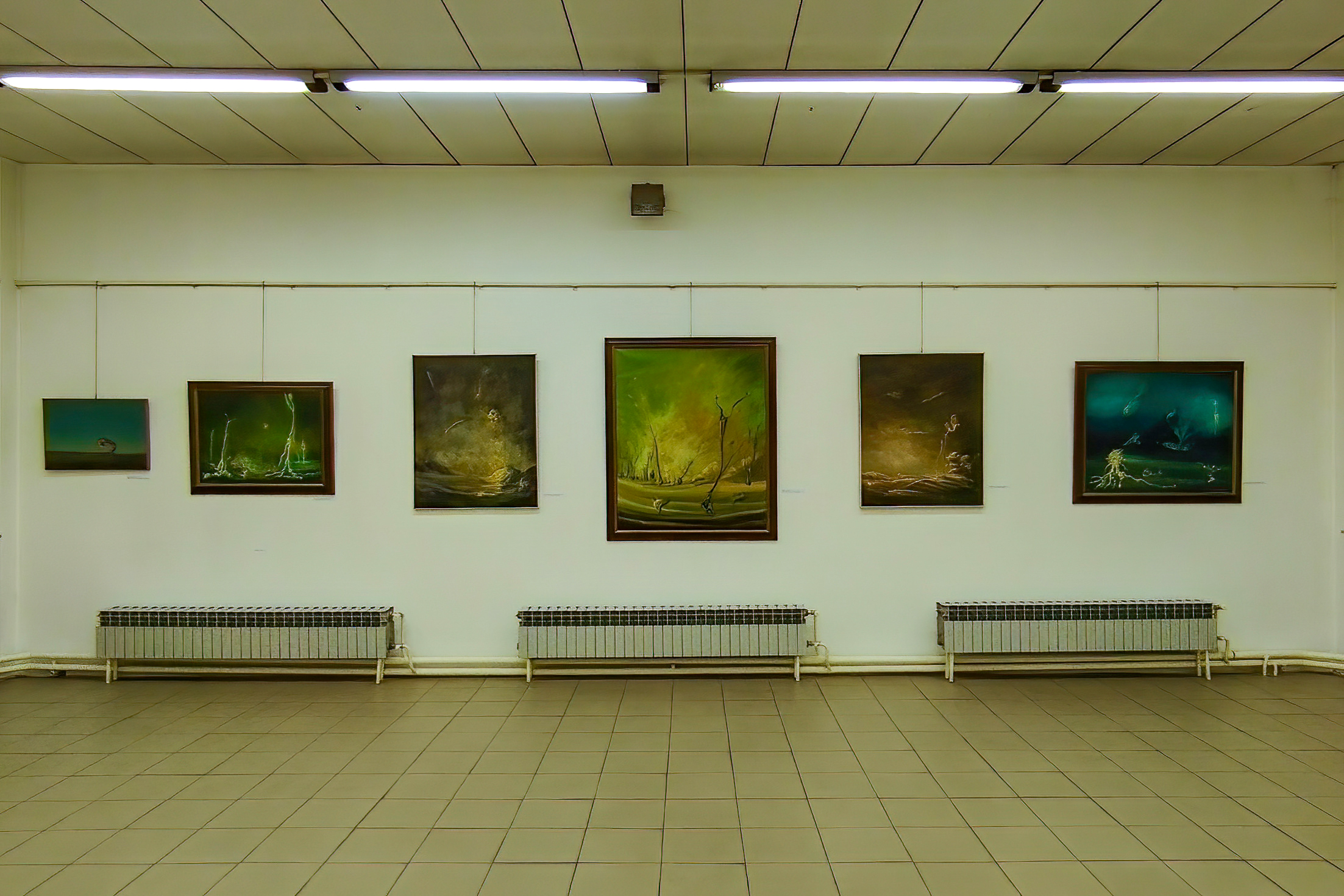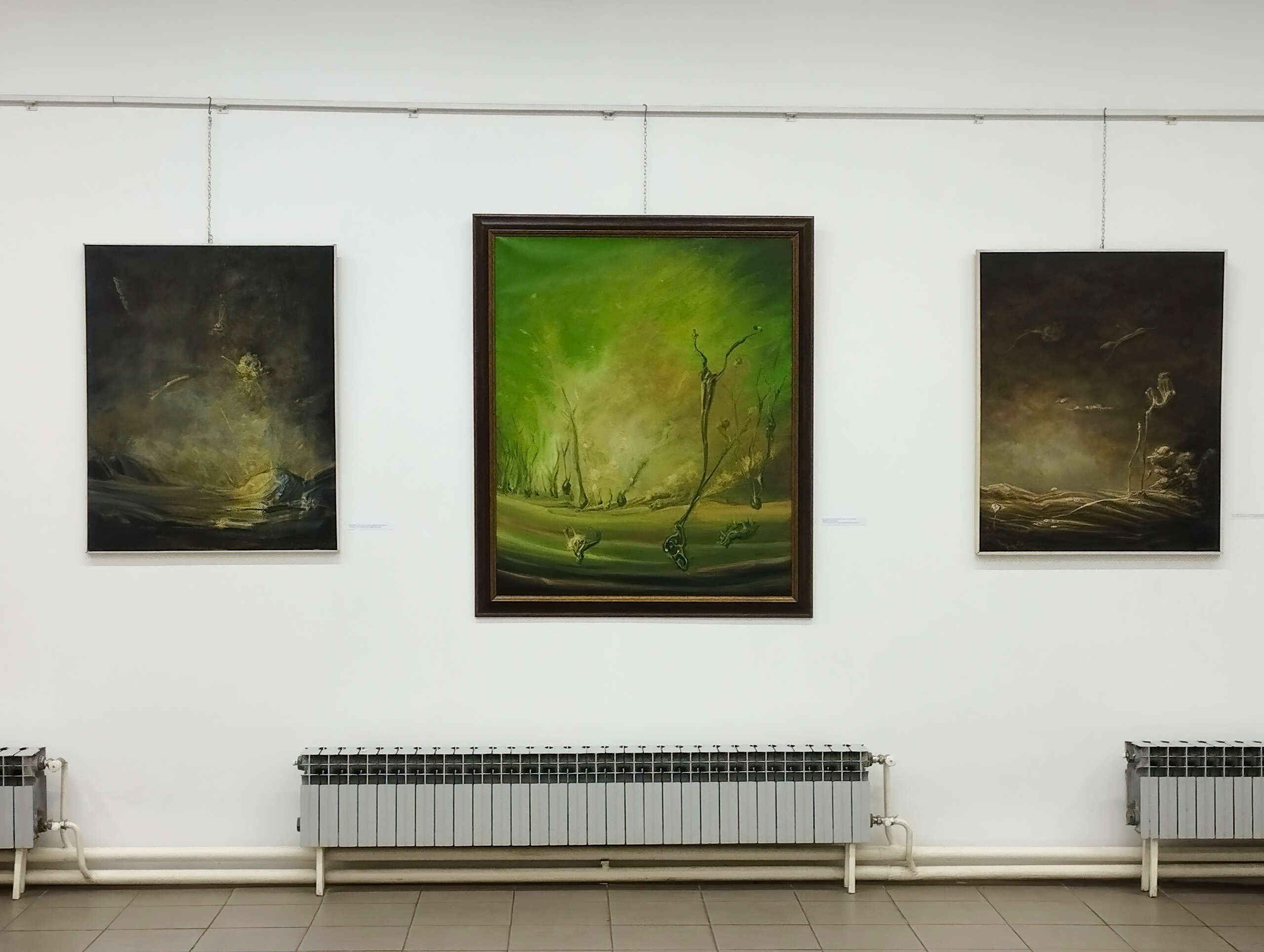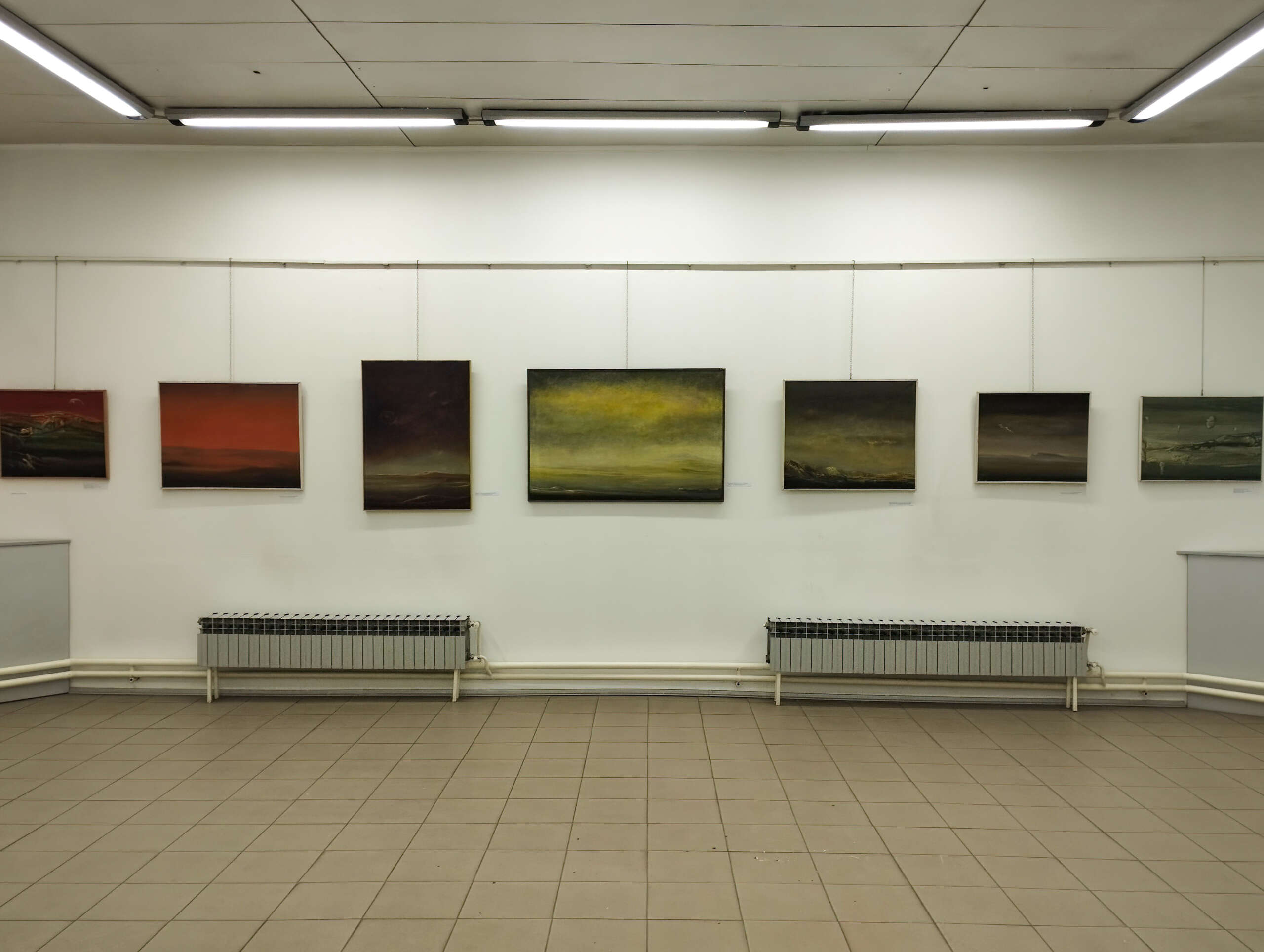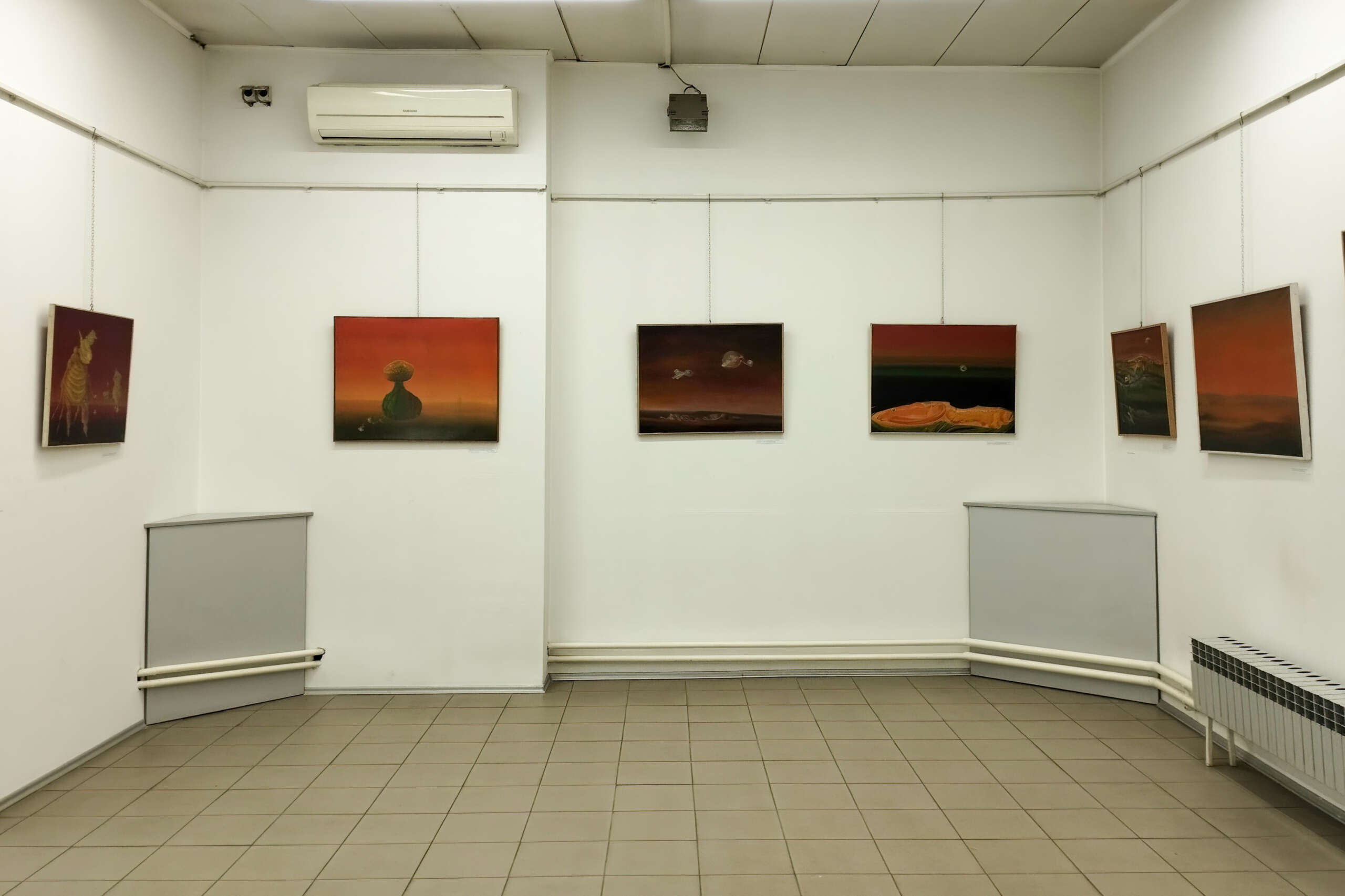
Gallery of the Regional Museum Jagodina
EXHIBITION DURATION: April 25 – May 5, 2025
Author of the exhibition: Jasmina Trajkov
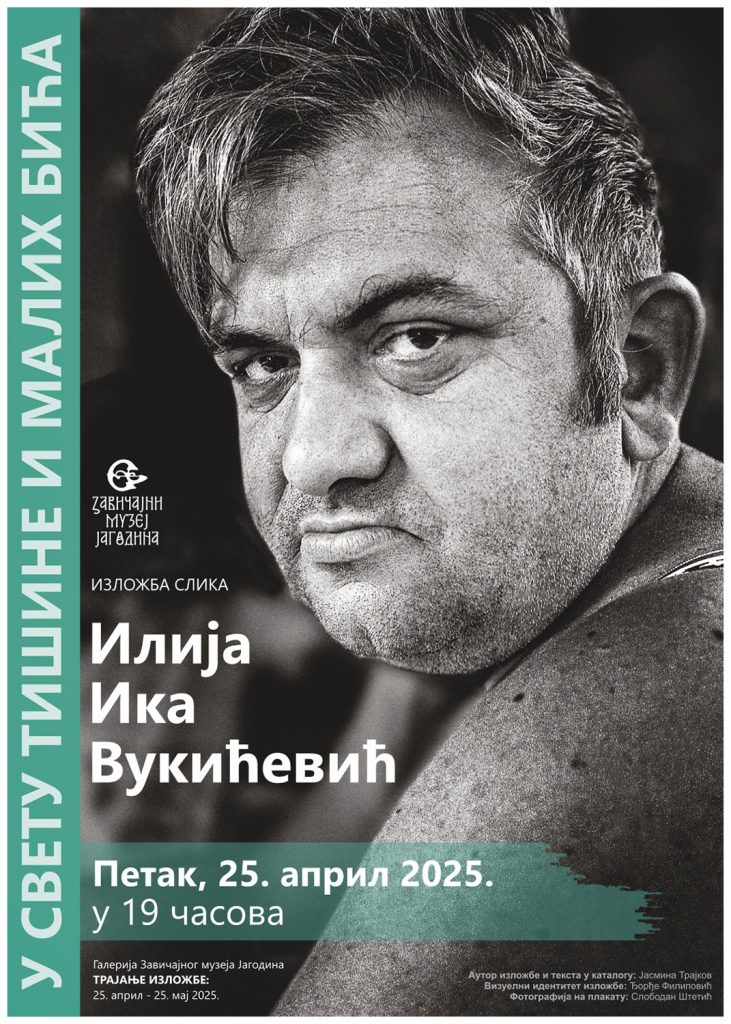
BIOGRAPHY
Ilija Vukićević was born in Jagodina in 1934. He came from a distinguished Vukićević family. His grandfather, also named Ilija Vukićević, was a priest — the parish priest of Ribare village from 1892. His father, Branko, was a judge, and his uncle, Dušan, a history professor and the first director of the Regional Museum of Jagodina.
After completing elementary and high school, Ilija studied General History and Archaeology at the Faculty of Philosophy in Belgrade. He worked as a volunteer at the National Museum in Belgrade and as a part-time illustrator both there and at the Archaeological Institute of the Serbian Academy of Sciences and Arts. He was also employed as a permanent part-time laboratory assistant at the Zoological Department of the Faculty of Natural Sciences and Mathematics in Belgrade. These engagements later had a great influence on the formation of his artistic expression.
From 1963 to 1974, he worked at the Regional Museum in Jagodina as a preparator and documentalist in the Archaeological Department, but he also assisted in educational programs and photographic documentation. He was a man of broad interests — fascinated by archaeology, history, and art. He was an avid mountaineer, collected over 500 specimens of spiders, and even tagged bats in the Ravanica Cave.
He began painting as an amateur in the early 1950s, when he also exhibited for the first time. He learned from Vojkan Veličković and Ljubodrag Janković Jale. A decade later, he held his first solo exhibition. He was a prolific creator, exhibiting his works at group and solo exhibitions throughout Serbia until 1985. He passed away after an illness on St. Nicholas Day, December 19, 1992, and was buried in the cemetery in Jagodina.
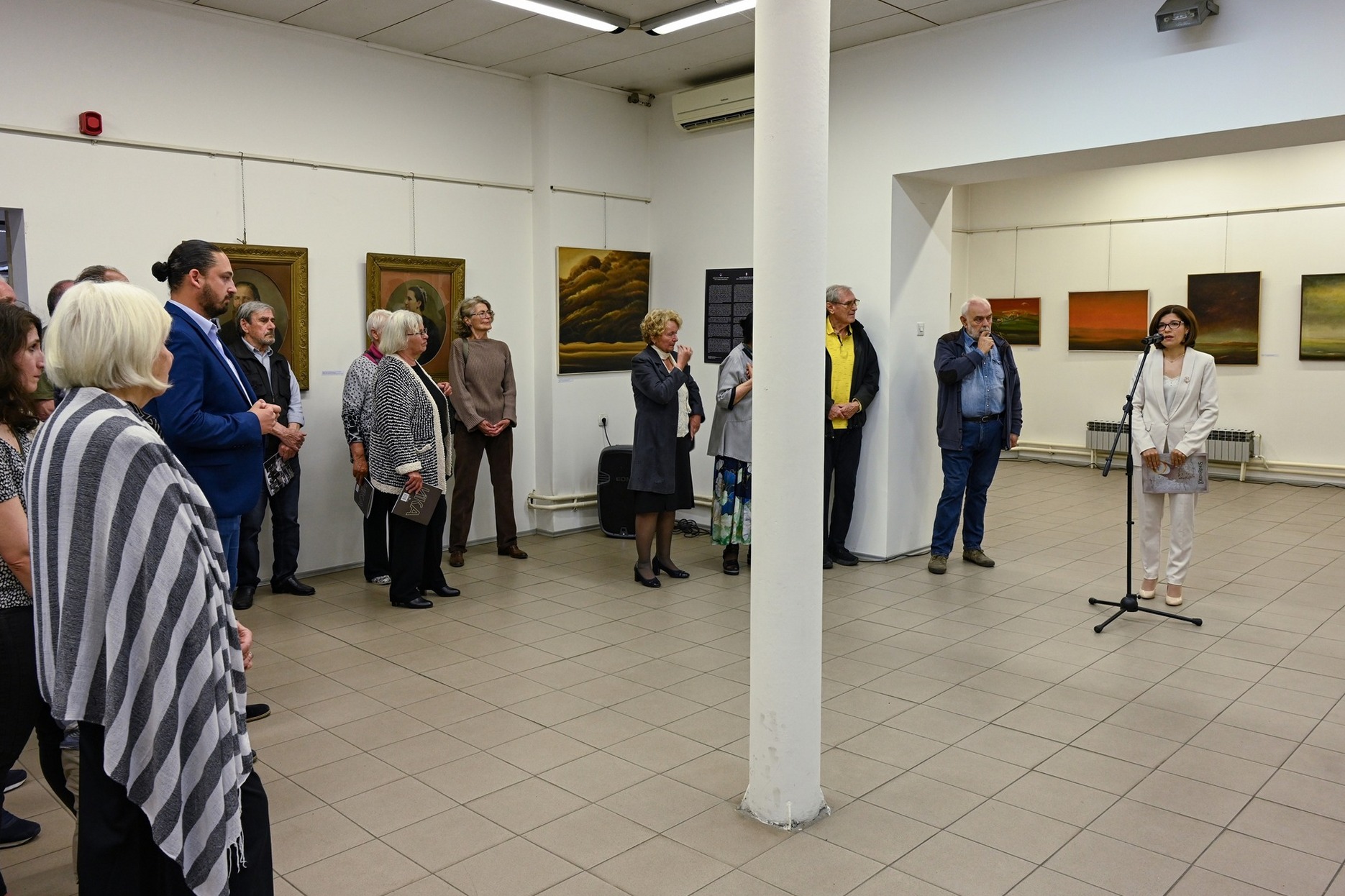
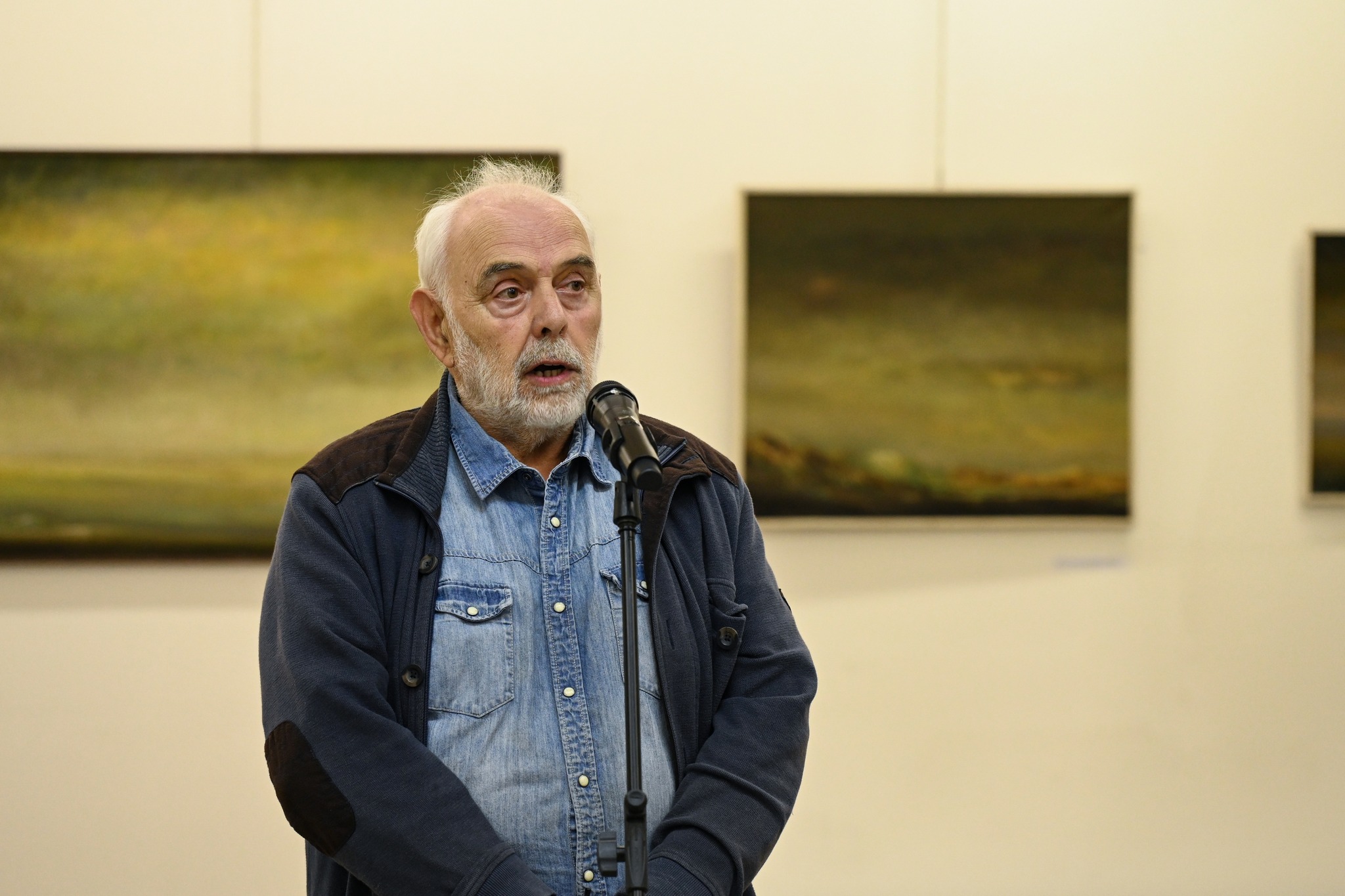
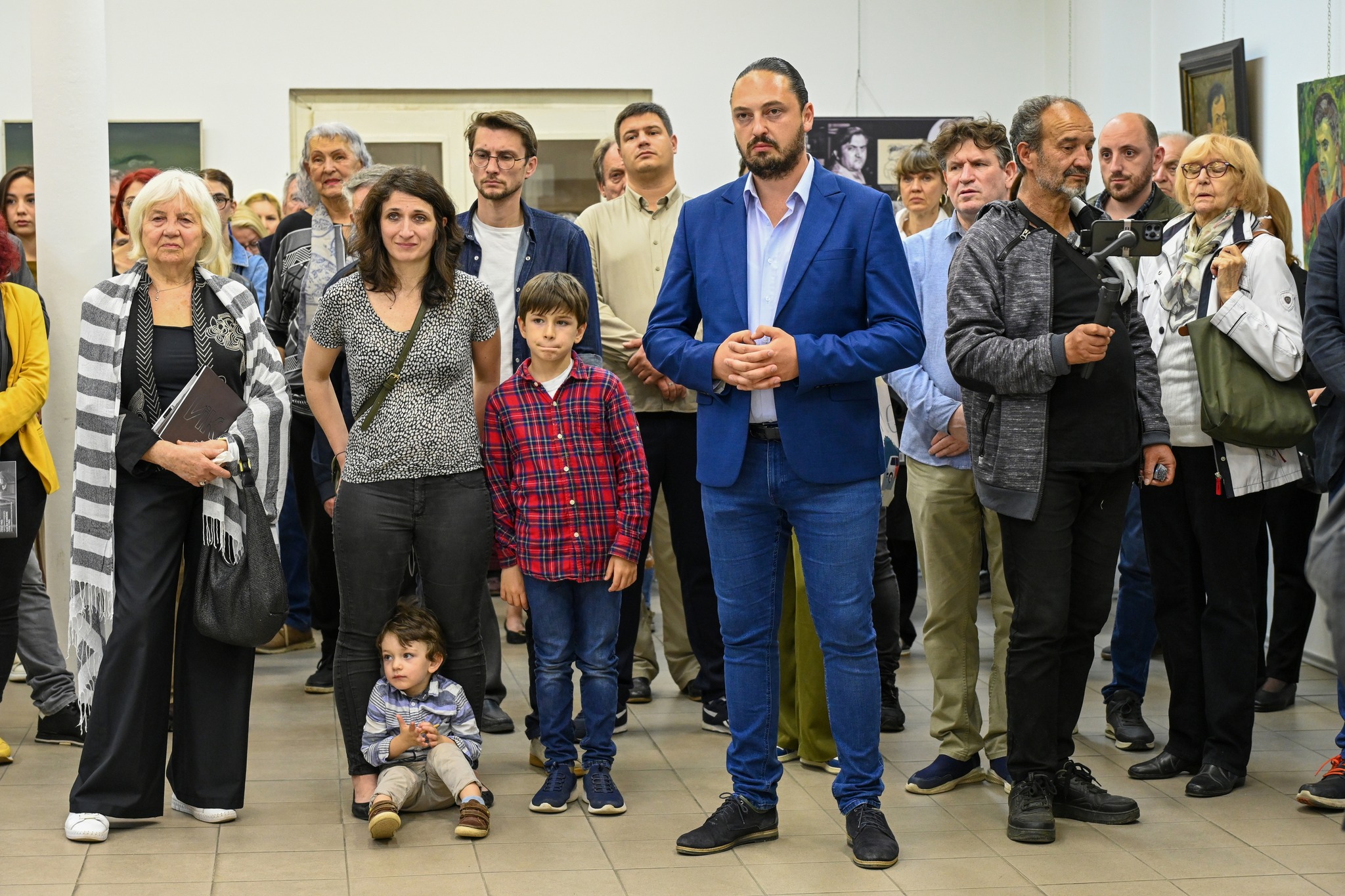
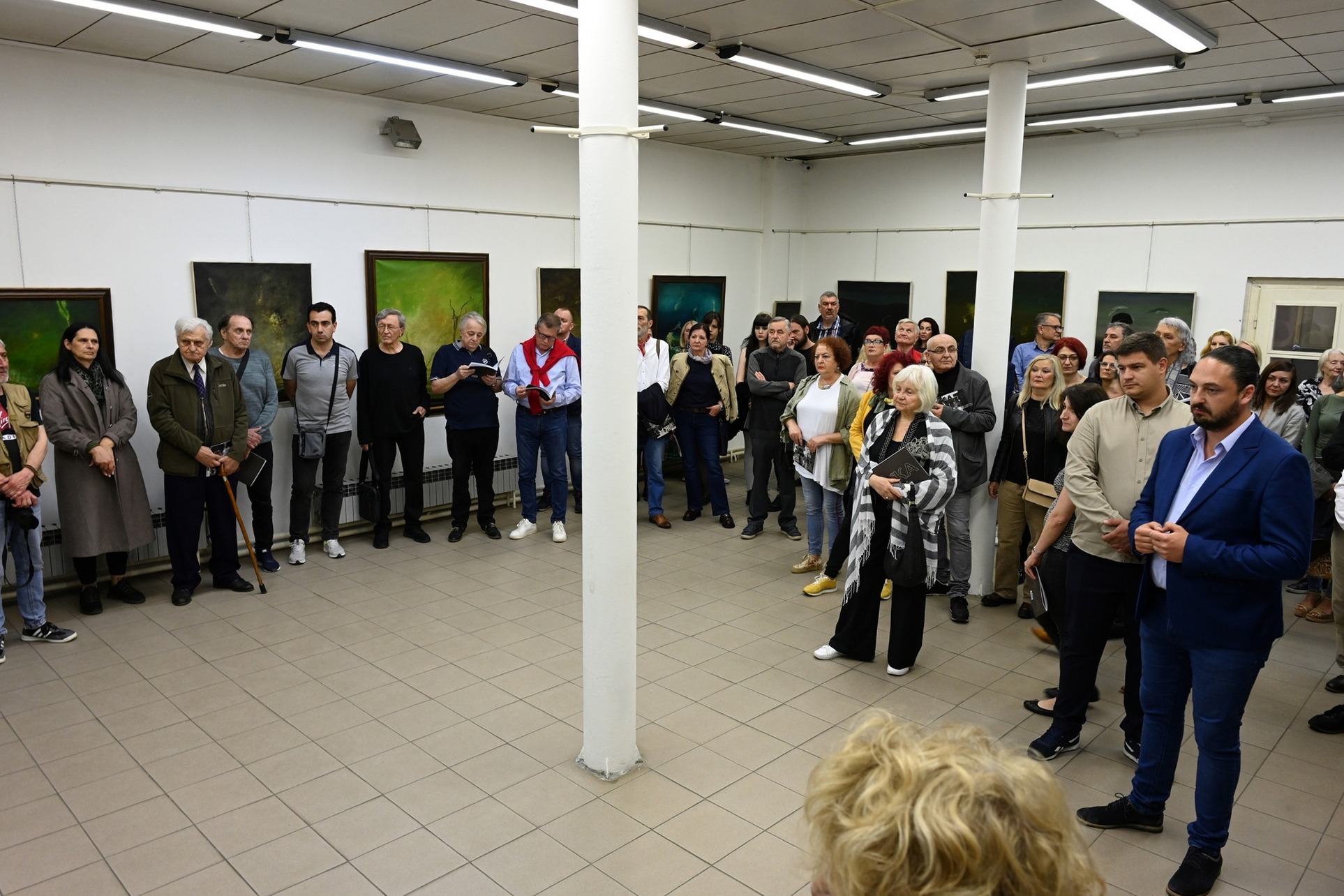
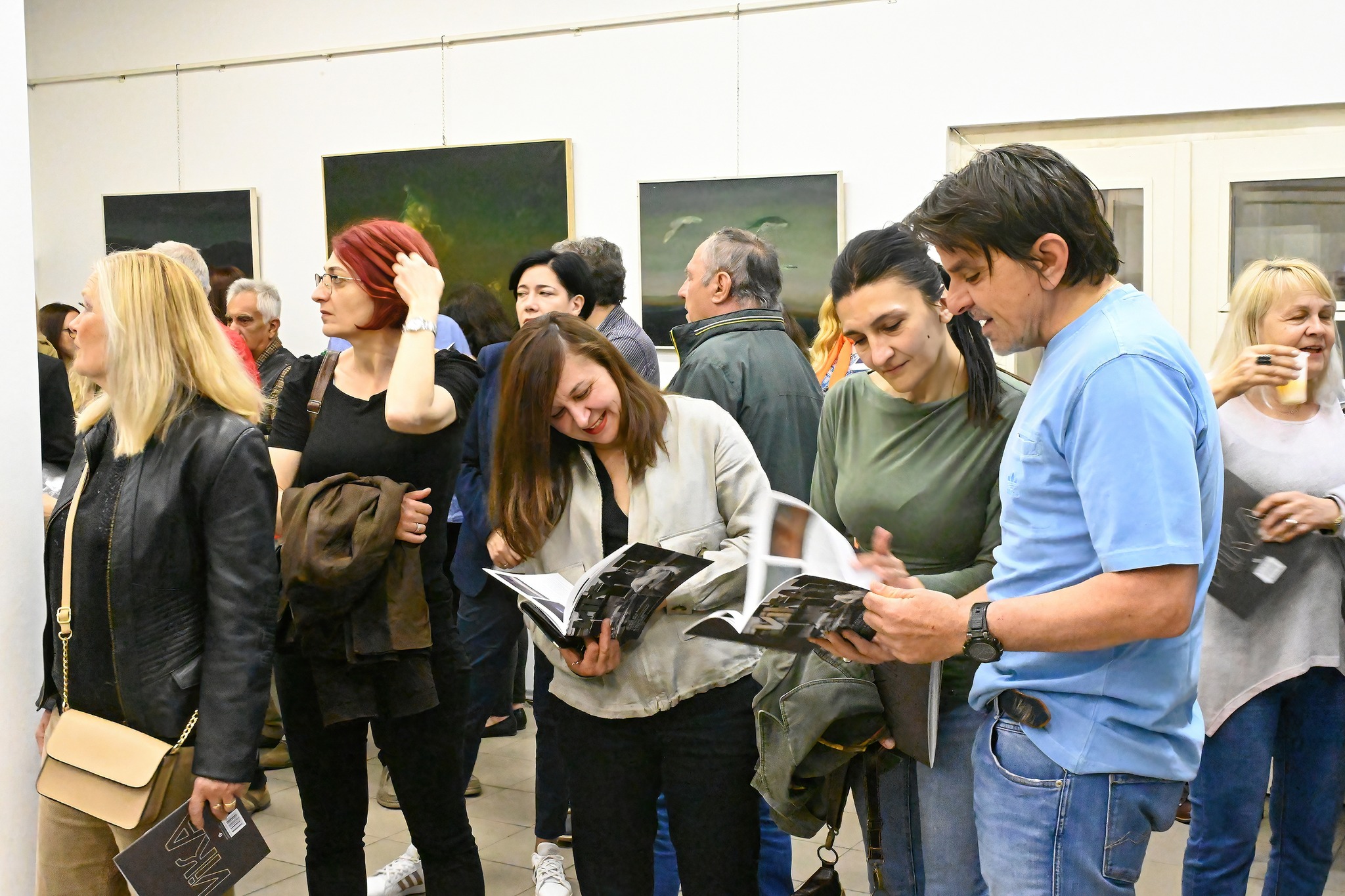
FROM THE OPENING
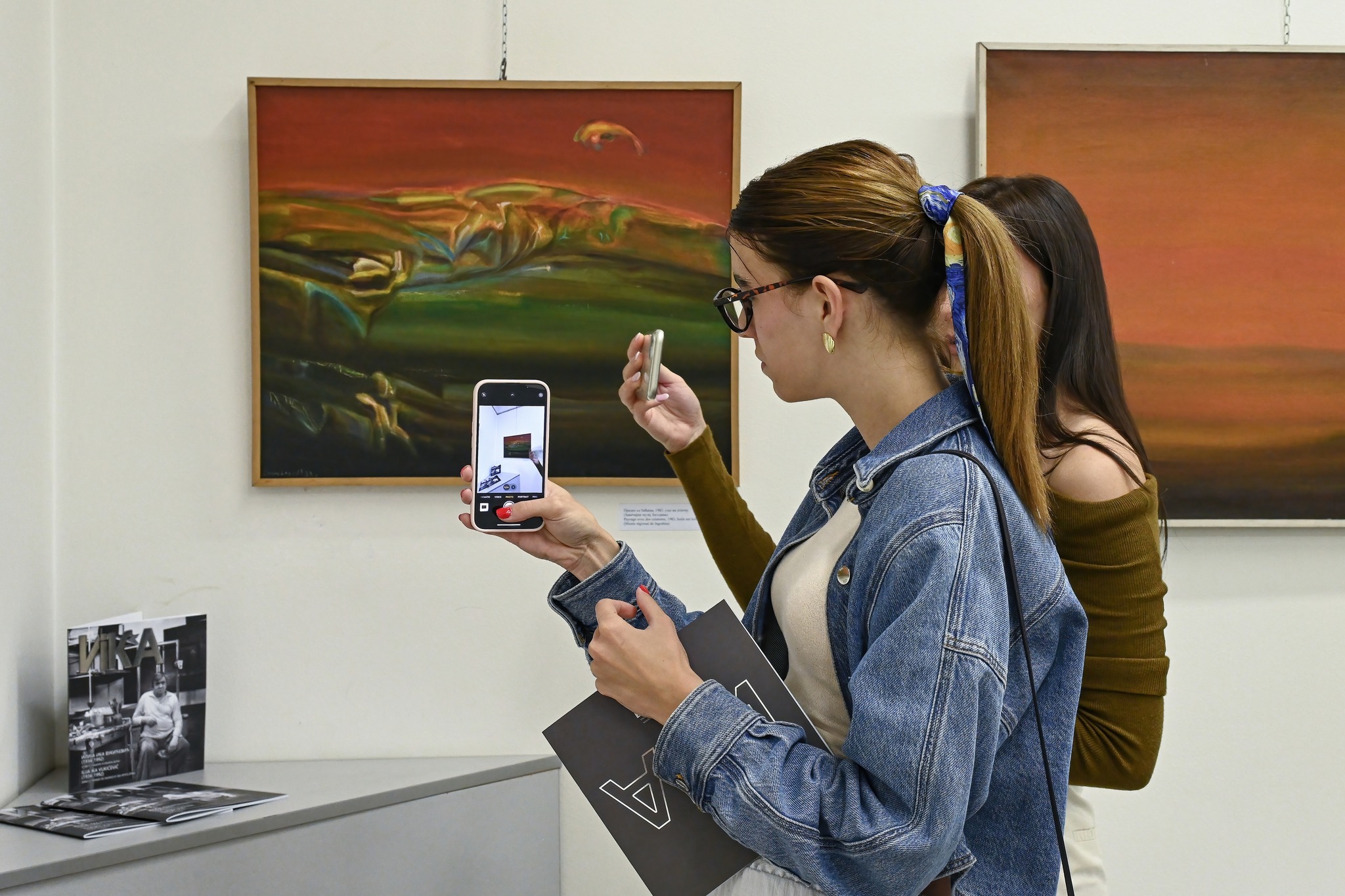
EXHIBITION CATALOG
The art scene of Jagodina in the second half of the 20th century developed in two directions: the realist, led by Vojkan Veličković, and the surrealist, strongly influenced by the Belgrade group Mediala. In the early 1960s, the latter experienced a true flourish, provoking great public interest. The founder of Jagodina’s surrealist movement was Mihajlo Stefanović, followed by Vojslav Jakić, Aleksandar Urošević Matra, and Ilija Ika Vukićević, who would become one of its central figures.
Vukićević, educated in Belgrade during the formation of Mediala, returned to his hometown when surrealism was already taking root among local artists. His painting, infused with his knowledge of natural sciences and speleology, can be divided into two phases. In the first, during the 1960s, he drew inspiration from the microscopic world and natural forms. He painted caves, underwater landscapes, and the “world of silence” devoid of human presence. In these works, his imaginary landscapes filled with strange organic shapes emerged.
At the beginning of the 1970s, a second phase began, marked by the themes of macrocosm and microcosm. In the era of major space explorations, Ika created visions of barren planets and primordial landscapes, reflecting on the origins of life and humanity’s desire to understand the infinite. His paintings, according to critics, represent a “melancholic stage” – landscapes of silence, solitude, and eternity. Vukićević also saw the world of microorganisms as an equal universe – a “second world of silence,” full of beauty and harmony.
Color was the primary means of expression in his works: “A painting, for me, is just a little color skillfully arranged.” He painted at night, accompanied by classical music, without sketches, guided by intuition and rhythm. He believed a painting was complete when it was “unfinished,” leaving room for the viewer’s imagination.
With his own hands, he built an atelier in the yard of his family home. This studio, according to his contemporaries, was “the first, last, and only artistic salon in Jagodina” and “a gathering place of the town’s creative spirit.” From this atelier emerged many future artists.
Through his prolific oeuvre and distinctive artistic language, Ilija Vukićević secured an important place on Jagodina’s art scene. With his dedication and creative energy, he sought to revive and enrich the cultural life of his hometown. His works today are held by the Regional Museum of Jagodina as well as in private collections worldwide.
Forty years had passed since his works were last exhibited publicly, and several initiatives to publish a monograph about his art had not been realized. This exhibition, featuring works from the Museum’s collection and private owners, revived the memory of a colleague, artist, tireless advocate for culture, and above all a good man.
Although it was planned to last for a month, the exhibition was interrupted a week after opening at the request of the Assembly of the City of Jagodina. Since it coincided with the May Day holidays, it remained open for only five working days. The Museum’s gallery space was then given to the Historical Archive of Jagodina for an exhibition on the liberation of the city in World War II, organized to welcome delegations from Russia and Kazakhstan.